 Alessandro Romano · 12 March 2025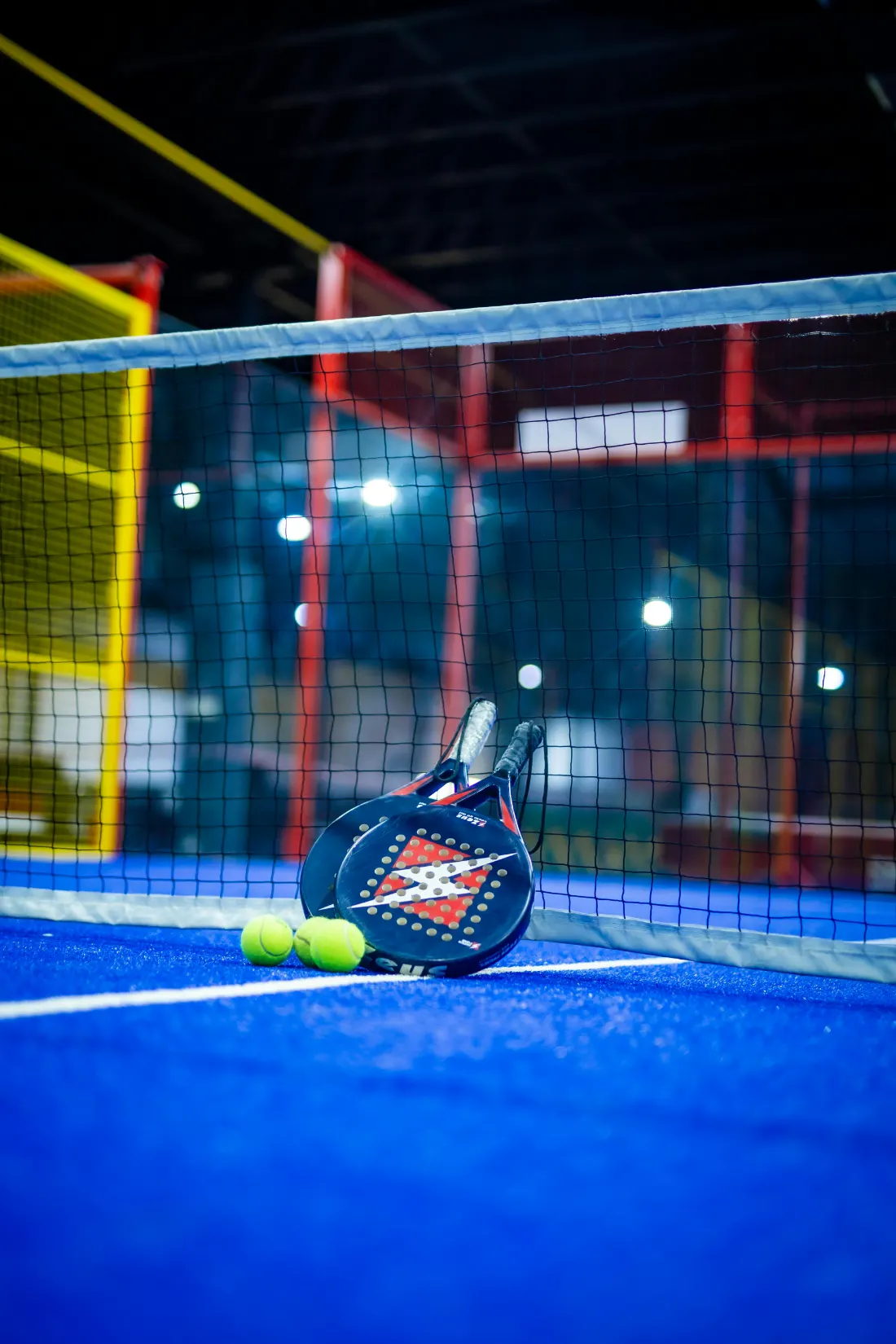
Padel, also called "padel tennis", is a rapidly growing sport that combines elements of tennis and squash. It is fun, social, and easy to learn. That's why both beginners and experienced players love it. But what is padel sport? Let's dive into its origins, explore its popularity, and offer some helpful beginner's tips to get started.
Where Did Padel Originate?
Let's learn some padel history! Its journey began in Mexico in the late 1960s. It quickly went from a backyard game to a sport known around the world. The game is simple and social, which helped it gain popularity in many countries. It is especially popular in Spain, Argentina, and other Latin American countries, and has been rapidly expanding across Europe and other continents.
Who Invented Padel Tennis?
It was invented by Enrique Corcuera in 1969. He built the first court at his home in Acapulco, Mexico, combining tennis and squash elements. Corcuera's new way of playing started the sport we know today. Over time, it grew thanks to passionate players and the creation of official rules and organizations.
The sport's development was further enhanced by Spanish businessman Alfonso de Hohenlohe, who discovered padel during a visit to Mexico and brought it to Spain in the 1970s. This marked the beginning of padel's European expansion and its evolution into the organized sport we know today.
Padel vs Tennis
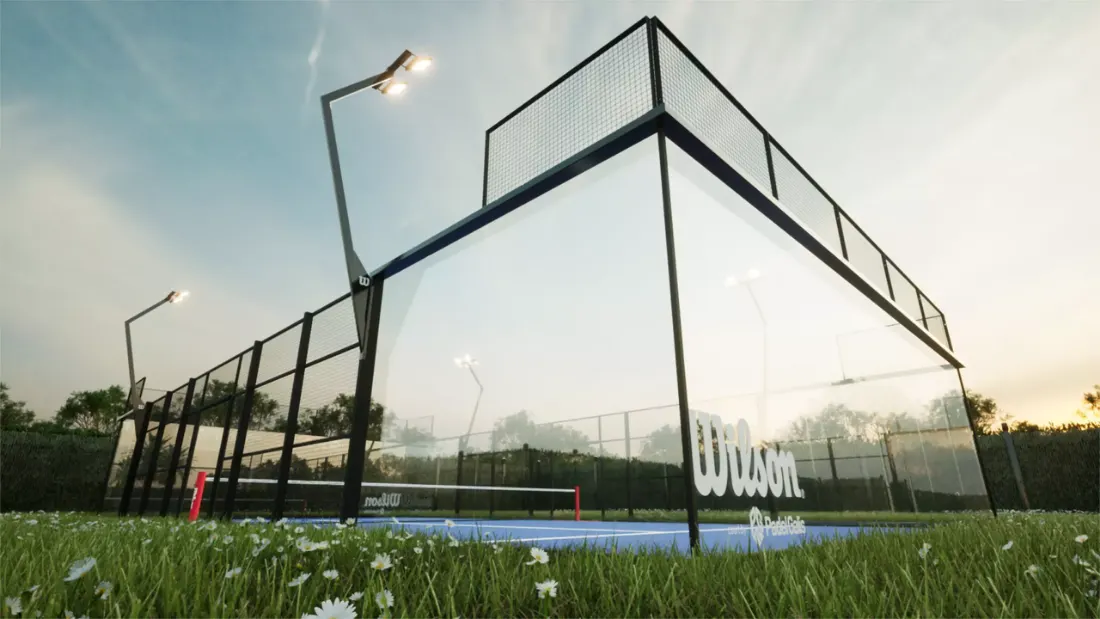
The main difference between padel and tennis lies in the court and the way the ball is played. Padel is played on a smaller court surrounded by walls, which allow the ball to bounce off them, adding a unique twist to the game. Unlike tennis, where players use rackets with strings, padel rackets are solid and have holes. This makes it easier to control the ball.
Key Differences:
Court Size and Structure:
- Padel courts are smaller (20m x 10m) compared to tennis courts
- Padel courts are enclosed with walls on all sides
- Tennis courts are open with only a net dividing the playing area
Equipment:
- Padel rackets are solid with holes, no strings
- Tennis rackets have strings stretched across the frame
- Padel balls are similar to tennis balls but slightly less pressurized
Playing Style:
- Padel allows ball to bounce off walls, creating unique angles
- Tennis balls must stay within court boundaries
- Padel emphasizes strategy and placement over power
Another big difference is the serve. In padel, serves are underhand and must bounce in the service box, whereas tennis serves are typically overhand. These distinctions create a more social, accessible experience, making it a perfect option for beginners.
Why is Padel So Popular?
Padel's popularity has exploded in recent years for several compelling reasons:
Accessibility and Learning Curve
- Easy to learn: The basic rules are simple and can be mastered quickly
- Less physical strain: Requires less running and physical exertion than tennis
- Beginner-friendly: Players of all skill levels can enjoy the game immediately
Social and Community Aspect
- Doubles format: Always played in teams, encouraging social interaction
- Mixed ability play: Players of different skill levels can compete together
- Community building: Fosters friendships and social connections
Practical Advantages
- Indoor/outdoor flexibility: Can be played year-round in various weather conditions
- Space efficient: Courts take up less space than tennis courts, making them ideal for urban areas
- Quick games: Matches typically last 60-90 minutes, fitting well into busy schedules
Health Benefits
- Cardiovascular fitness: Provides excellent aerobic exercise
- Coordination: Improves hand-eye coordination and reflexes
- Mental agility: Requires strategic thinking and quick decision-making
Basic Rules
You can find more detailed information about padel rules in specialized guides, but here's a quick overview:
Scoring System
- Uses the same scoring system as tennis: 15, 30, 40, game
- Matches are typically played in sets, with the first team to win six games taking the set
- A match is usually best of three sets
Serving Rules
- Each player gets two chances to serve correctly
- The ball must bounce in the opponent's service box
- Serves must be underhand and below waist level
- Each player on the team takes turns serving
Court and Wall Rules
- Walls are part of the playing area
- The ball can bounce off the walls, but must stay within court boundaries
- If the ball lands outside the playing area or doesn't make it over the net, it's considered out
- The ball can only bounce once on the ground before being returned
Equipment Rules
- Only the racket can be used to hit the ball
- Players cannot touch the net or cross into the opponent's side
- The ball must be hit before it bounces twice
Beginner Tips to Play
If you're new to the sport, here are some expert tips to help you get started:
Master the Fundamentals
Focus on Control Over Power
- Control your shots and place the ball in the gaps your opponents leave open
- Power will come naturally as you improve your technique
- Accuracy is more important than speed, especially for beginners
Get Comfortable with the Walls
- Use the walls to your advantage! Practicing how to bounce the ball off the walls can really help your game
- Learn to anticipate where the ball will go after hitting a wall
- Practice wall shots to create difficult angles for your opponents
Develop Your Skills
Work on Your Serve
- A good serve is important to start the point right
- Practice your underhand serve to make sure it lands in the right spot and stays low
- Focus on consistency rather than power in your serves
Improve Your Positioning
- Stay in the center of your side of the court when possible
- Move forward to the net when you have the advantage
- Learn to read your opponent's shots and position yourself accordingly
Team Play and Communication
Communicate with Your Partner
- This is a doubles game, so communication with your teammate is essential
- Always talk and move as a team
- Call out shots and coordinate your movements
- Support each other and maintain positive energy
Develop Team Strategy
- Learn to play as a unit rather than two individual players
- Practice covering each other's weaknesses
- Develop signals and communication systems
Physical and Mental Preparation
Keep Your Feet Light
- Quick movements help you get in position to hit the ball and react faster
- Stay agile and ready for anything
- Practice footwork drills to improve your court coverage
Stay Mentally Focused
- Concentrate on each point individually
- Don't get discouraged by mistakes
- Learn from each game and continuously improve
Getting Started with Padel
Finding Courts and Partners
- Look for local padel clubs or sports centers
- Many facilities offer beginner lessons and clinics
- Join social groups or clubs to meet playing partners
- Consider taking lessons to learn proper technique
Equipment Essentials
- Racket: Choose a beginner-friendly racket with good control
- Balls: Use official padel balls for proper play
- Shoes: Wear court shoes with good grip and support
- Clothing: Comfortable athletic wear that allows free movement
Practice Tips
- Start with basic drills to develop fundamental skills
- Practice wall shots to understand ball behavior
- Play regularly to build consistency and confidence
- Watch experienced players to learn strategy and technique
The Future of Padel
Padel continues to grow rapidly worldwide, with new courts and clubs opening regularly. The sport's accessibility, social nature, and health benefits make it appealing to people of all ages and skill levels. As more people discover padel, the sport is likely to continue expanding and evolving.
Conclusion
Now that you know all about padel, it's time to hit the court! Whether you're a total beginner or have played other racket sports, you'll find padel to be an enjoyable and rewarding experience. The combination of easy learning, social interaction, and physical activity makes it an ideal sport for people looking to stay active while having fun.
Remember that like any sport, improvement comes with practice and patience. Start with the basics, focus on having fun, and gradually develop your skills. The padel community is generally welcoming to newcomers, so don't hesitate to join local clubs or groups to enhance your playing experience.
The key to enjoying padel is to embrace its social nature, focus on learning and improvement, and most importantly, have fun on the court!
Transform Your Club with PLAI
PLAI is the all-in-one platform that helps padel clubs create exceptional experiences for players of all levels. From beginner-friendly features and social community tools to advanced analytics and seamless management, PLAI gives you the tools to build a thriving padel community that keeps players engaged and coming back.